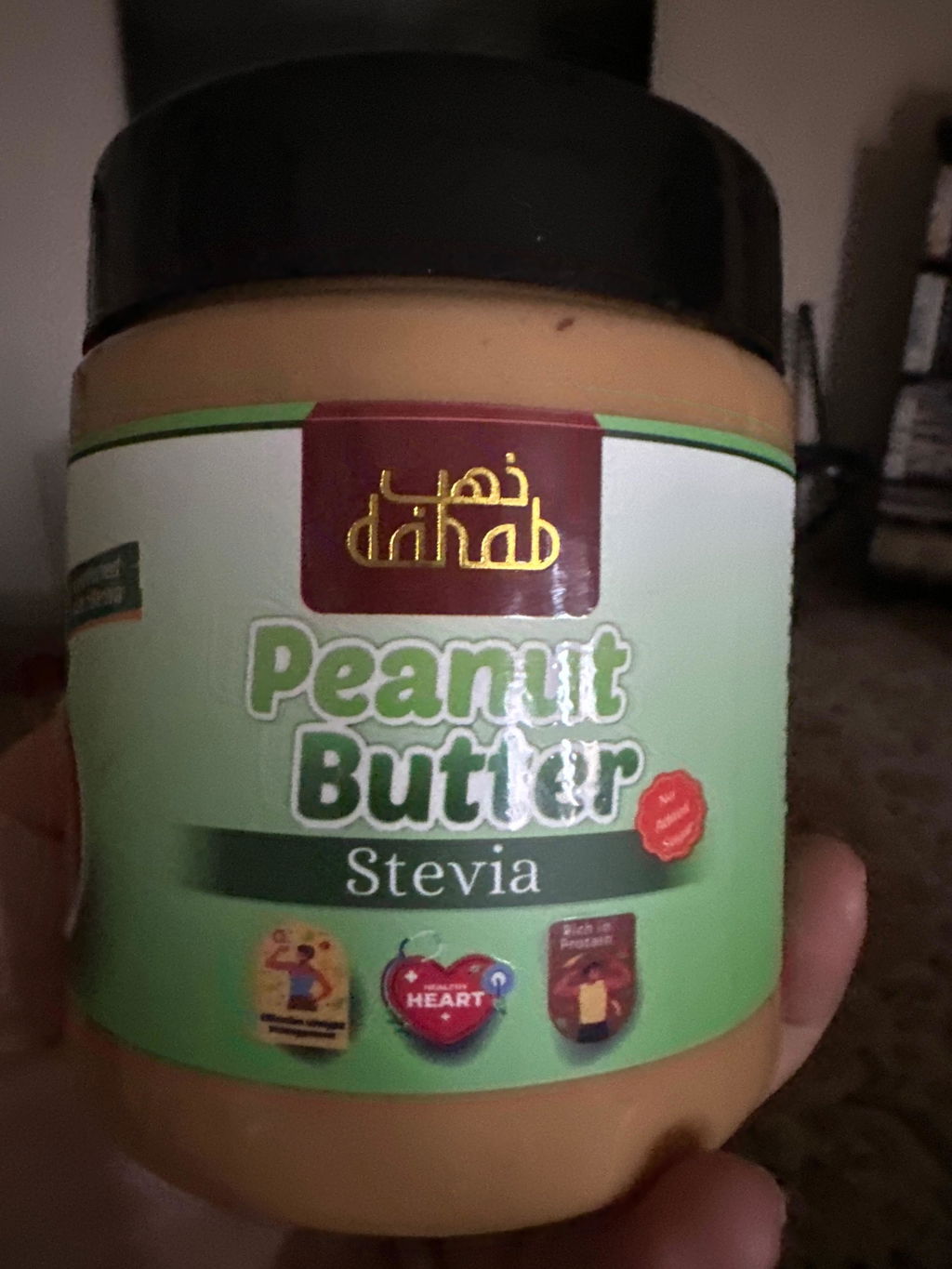
Why Sugar-Free, Natural Peanut Butter?

Sugar-Free, Natural Peanut Butter Is Pakistan's Smartest Pantry Switch
If you've scanned the peanut butter shelf at a Carrefour in Lahore lately, you've probably noticed how crowded it's gotten — imported jars next to local brands, "natural" labels next to ones loaded with hydrogenated oil and sugar. So what actually separates a genuinely healthy peanut butter from one that's just marketed that way? It comes down to three things: the ingredient list, the sugar content, and how the peanuts themselves were sourced and processed.
(For a deeper look at additive-free sourcing, see our related post on why organic peanut butter is better for you.)
What "Natural" Should Actually Mean
A lot of peanut butter on Pakistani shelves — especially the cheaper local options — relies on added sugar, palm oil, and stabilizers to get a smooth, spreadable texture that lasts on the shelf. That's not necessarily unsafe, but it's not what most health-conscious buyers picture when they reach for peanut butter as a "clean" protein source.
Genuinely natural peanut butter should have a short ingredient list: roasted peanuts, and little else. No hydrogenated oils. No corn syrup. If a jar needs half a page of ingredients to explain itself, it's not natural — it's processed food wearing a health-food label.
Why Sugar-Free Matters More Than People Think
Here's the part that surprises most people: peanuts themselves are naturally low in sugar and high in protein and healthy fats. The sugar in a typical jar isn't there for nutrition — it's there to make an inferior batch of peanuts taste better, or to hit a flavor profile consumers have gotten used to.
For anyone managing blood sugar, watching daily calorie intake, or simply trying to cut added sugar out of breakfast, this matters a lot. A tablespoon of sugar-free peanut butter delivers protein and monounsaturated fat without the hidden 3-4 grams of added sugar many mainstream brands quietly include. Over a month of daily use, that difference adds up — both in your sugar intake and in how stable your energy feels through the morning.
If you're building a high-protein routine around it, our post on whether peanut butter is good for muscle building breaks down exactly how the protein and fat profile supports that goal.
The Aflatoxin Question Nobody Talks About
This is the part that separates careful producers from the rest. Peanuts are naturally susceptible to aflatoxin — a mold-produced toxin that thrives in poor storage and inconsistent quality control. It's a known risk with groundnuts globally, and it's exactly why sourcing and testing protocols matter as much as the "natural" label itself.
Brands that take this seriously test batches, control moisture during storage, and are selective about which peanut varietals they use — because not all peanuts carry the same aflatoxin risk profile. When you're buying peanut butter for your family, the sourcing behind the jar matters just as much as what's printed on the front.
Local Sourcing, Global Standards
There's also a quieter benefit to buying peanut butter made and processed in Pakistan rather than imported: freshness and consistency with local peanut varietals, without the price premium of importing a jar that's already been sitting on a container ship for weeks. Combined with proper certification — ISO 22000 food safety standards and Halal certification — locally made peanut butter can match or exceed imported alternatives, at a more accessible price point. We go deeper into this in why choosing locally made peanut butter in Pakistan makes a difference.
What to Look for on the Shelf
Next time you're comparing jars — whether at Carrefour, online, or through a Daraz search — a quick checklist:
- Ingredient list under 5 items, peanuts listed first
- No added sugar, or a clearly labeled sugar-free option — like our Pure Creamy Peanut Butter (no added sugar or salt)
- No hydrogenated/partially hydrogenated oils
- Certification marks (ISO 22000, Halal) visible on the label
- Texture options that suit how you'll actually use it — creamy for spreading, crunchy for texture, or browse the full peanut butter range for chocolate and gurr & sesame varieties
Peanut butter isn't a luxury health food — it's one of the most practical, protein-dense staples you can keep in a Pakistani kitchen. The only real decision is choosing a jar that's actually as clean as it claims to be.
Dahab Foods produces natural, sugar-free peanut butter in creamy, crunchy, and chocolate varieties, ISO 22000 and Halal certified, available at Carrefour outlets nationwide and online at dahabfoods.com. Curious how it's made? Read more about us, browse recipes using our peanut butter, or check our FAQ for common questions.